
E-bikes are heavier and faster than the bikes they replace, which means braking and safety aren't a footnote — they're the whole ballgame. On hands-on reviews we test stopping power fully loaded, in the wet, and from real speed; on research-scored bikes we grade the brake hardware, documented stopping performance, lighting, tire grip, and battery certification. We also do something most outlets won't: we check whether a bike carries any open recall or safety action, and we put it on the page. Knowing about a problem and staying quiet isn't an option here.
How much it counts
Safety is weighted heavily everywhere and is effectively a gate on cargo, fat-tire, and moped-style bikes, where weight and speed make weak brakes genuinely dangerous.
See it in motion
Brakes & safety, on the road
A short, soundless clip illustrating how we evaluate brakes & safety in the real world. Everything it shows is explained in full below.

Hydraulic vs. mechanical, and why piston count matters
Hydraulic disc brakes are self-adjusting, fade-resistant, and far more powerful for less hand effort — they should be considered mandatory on any bike that is heavy, fast, or loaded. Mechanical (cable) discs are cheaper and easier to roadside-adjust but fade and weaken in the wet, which is the wrong trade on a 65-pound Class 3 bike. Piston count matters too: 4-piston calipers with larger rotors (like the Magura MT5s on a Riese & Müller) are what you want when you're hauling a loaded cargo bike down a hill. When we test stopping distance hands-on, it's with a rider and cargo aboard, not on an empty showroom bike.

Lighting, tires, and being seen
Most e-bike miles end up being ridden faster, later, and in more traffic than the owner expected, so integrated lighting is a safety feature, not a styling touch. We strongly favor bikes with bright, always-on integrated lights wired to the main battery (and a brake light is a real bonus) over blinky clip-ons that get left at home. Tire grip is the other half: a quality casing with real tread holds a wet corner and resists the pinch flats that heavy bikes invite. On hands-on tests we ride in the rain on purpose to find out which tires let go.

Recalls, certification, and the honest safety note
This is where our editorial promise lives. We check CPSC recalls, NHTSA actions, battery-fire reports, and class-action settlements for every bike and brand we cover, and we surface anything relevant right on the page — not buried, not omitted because a brand buys ads (they can't; coverage is not for sale). We also reward UL 2849 (full system) and UL 2271 (battery) certification, the standards that address the e-bike fire risk making headlines. For the bigger picture — safe charging, recall lookups, and what to do if a defect injures you — see our safety hub and safety & legal guide. If a defective product has caused harm, ebikesafety.com can help you understand your options.
What we measure
The specific checks behind this part of every score — measured directly on our hands-on reviews, and assessed from verified specs, owner reports, and independent third-party testing on research-based verdicts.
- 1Stopping distance from top speed, fully loaded, dry and wet
- 2Hydraulic vs. mechanical brakes, rotor size, and piston count
- 3Integrated lighting brightness and whether it runs off the main battery
- 4Wet-weather tire grip and resistance to pinch flats
- 5Open recalls or safety actions, and UL 2271 / UL 2849 certification
Green flags
- 4-piston hydraulic brakes with large rotors on heavy or fast bikes
- Bright, always-on integrated lighting (bonus for a brake light)
- UL-certified battery and full-system electronics
- A clean recall record — or a recall that's been properly remedied
Red flags
- Mechanical disc brakes on a heavy Class 3 or cargo bike
- No integrated lighting on a bike built for traffic
- No UL certification on battery or system
- An open, unremedied recall or a documented fire pattern
Bikes that nail it
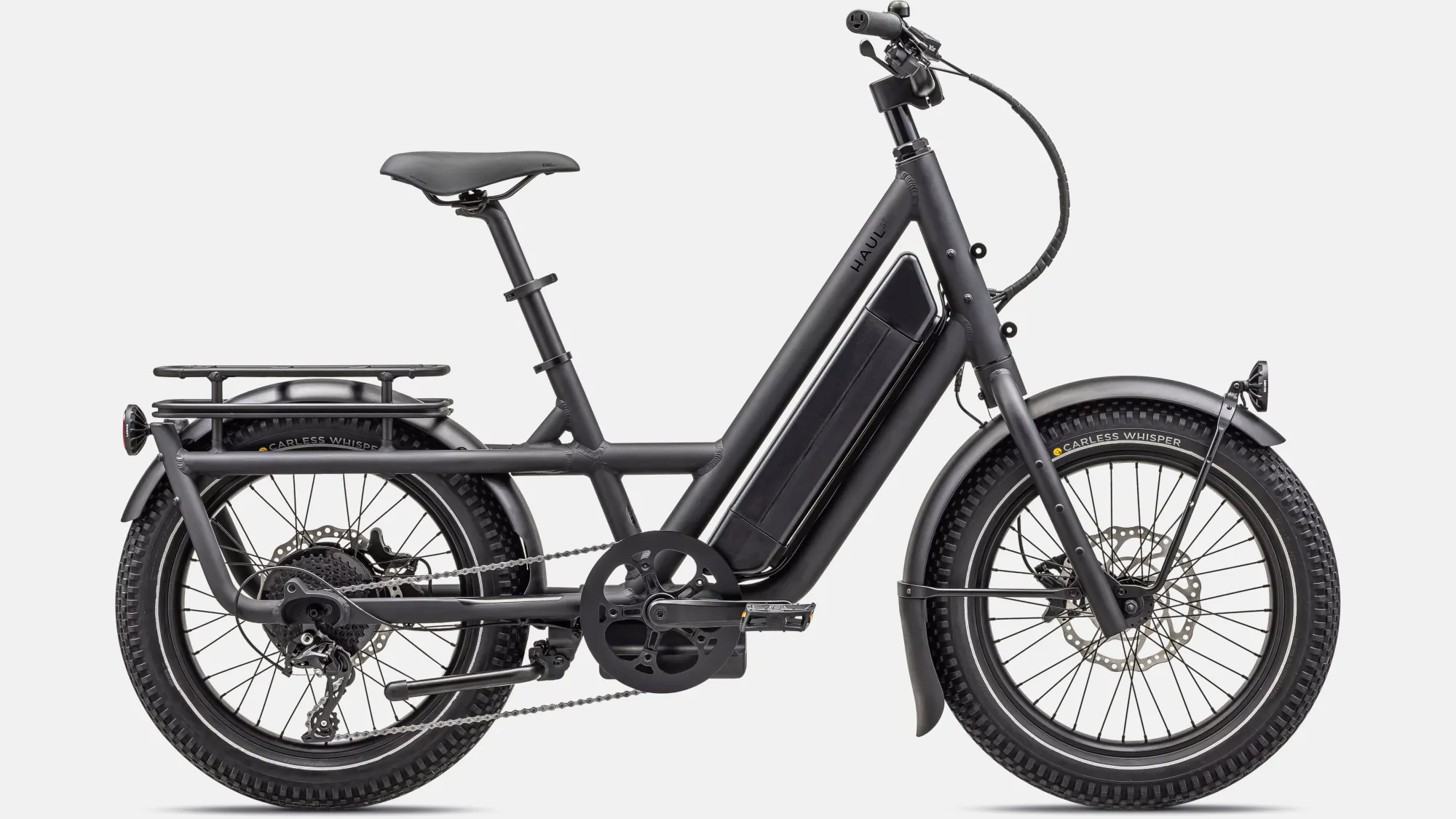
Bikes that take safety seriously — UL certification, strong 4-piston brakes, and proper lighting.