We built a dealer model — by hand
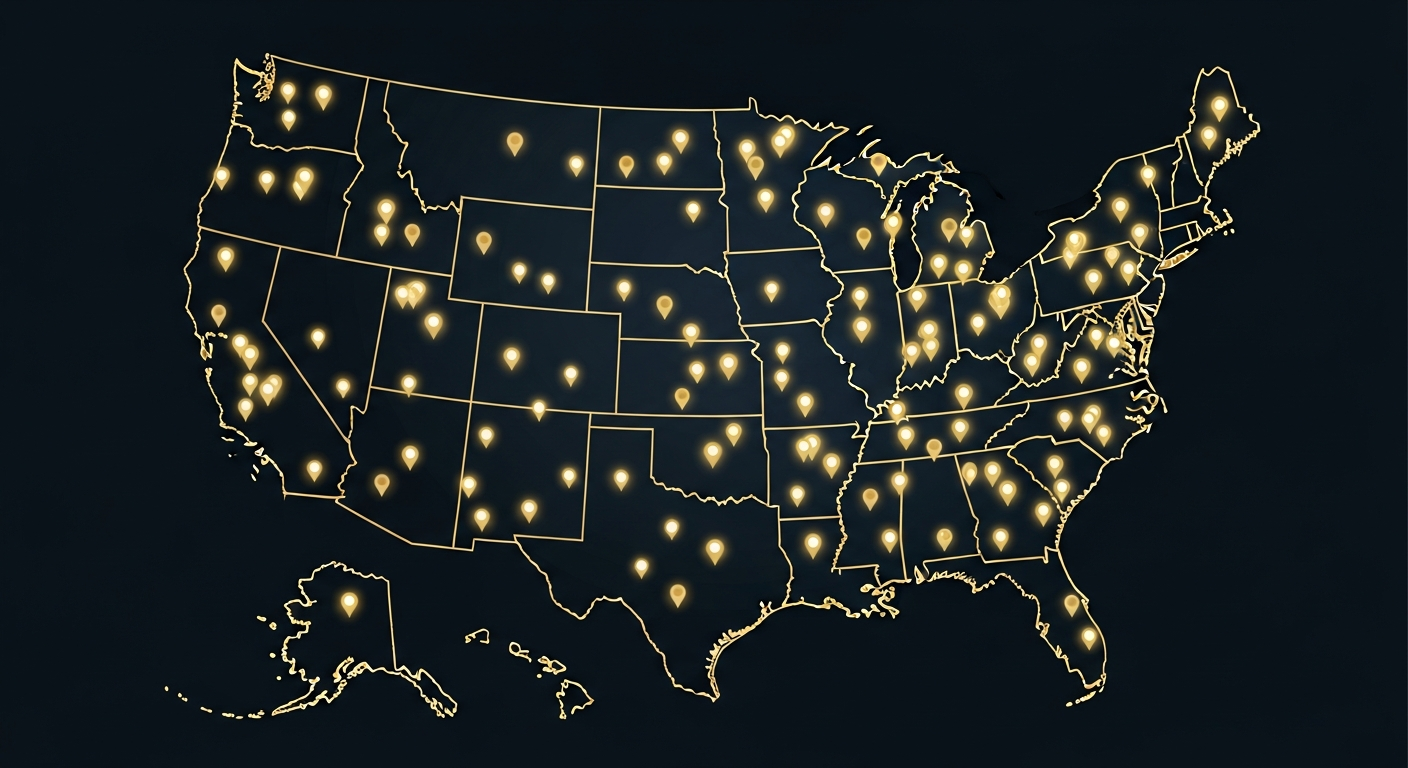
Our team personally selected, trained, and onboarded a national e-bike dealer network. Each location was independently owned, exclusively branded, and trained to service every bike the brand built. The model worked because we knew what 'dealer-ready' actually meant.
We visited every region. We sat through warranty disputes. We saw which dealer agreements protected the customer and which protected the brand at the customer's expense. That hands-on knowledge is why our Dealer Locator page exists — and why we grade dealer networks honestly.
How dealer networks fail
'Authorized service partner' often means 'we'll ship them parts when we get around to it.' Lectric has no dealers. Super 73's service network is real but concentrated in coastal metros. Aventon's authorized dealers will often refuse warranty work on bikes sold direct.
The brands with real networks — Trek, Specialized, Pedego, Tern — have decades of IBD (independent bike dealer) infrastructure. The newer DTC brands are still figuring out that an Instagram ad doesn't fix a controller fault code.
The dealer question to ask before you buy
'If my motor throws an error code in year 3, what is the actual process — what number do I call, how do I get a loaner, how long until I'm riding again?' If the brand can't answer that in 30 seconds, the answer is 'we don't have a real plan.'
"A great e-bike with no local service is a $4,000 paperweight the day the controller throws a fault code. We learned that the hard way — so you don't have to."