
New York
The best-known summary of New York's e-bike rules — class system, age, helmet, licensing, registration, and trail access — compiled from state DOT/DMV publications and 2025-2026 legislative updates.
Best-known info — always verify before you ride.
E-bike laws change frequently, and rules can differ by city, county, park, trail network, and even ZIP code within a single state. This page reflects the most current statewide framework we can confirm, but it is not legal advice. Always double-check with the New York DOT/DMV, your local municipality, and any park or trail authority before relying on it.
Statewide rules at a glance
New York e-bike framework
Class system
Three-class (1/2/3)
Minimum age
16 for Class 3
Helmet requirement
Required under 14 (all bicycles); required all ages on Class 3 in some municipalities including NYC
License required
No
Registration required
No
Trail access
NYC: Class 1/2/3 legal on streets; Greenway rules apply. NYS Parks generally restrict Class 2/3.
Notes for New York riders
NYC Local Law 39 (2023): all e-bikes and batteries sold after Jan 2027 must be UL 2849 certified. This is the most aggressive municipal safety regulation in the US.
The 3 e-bike classes
Full explainer with pictures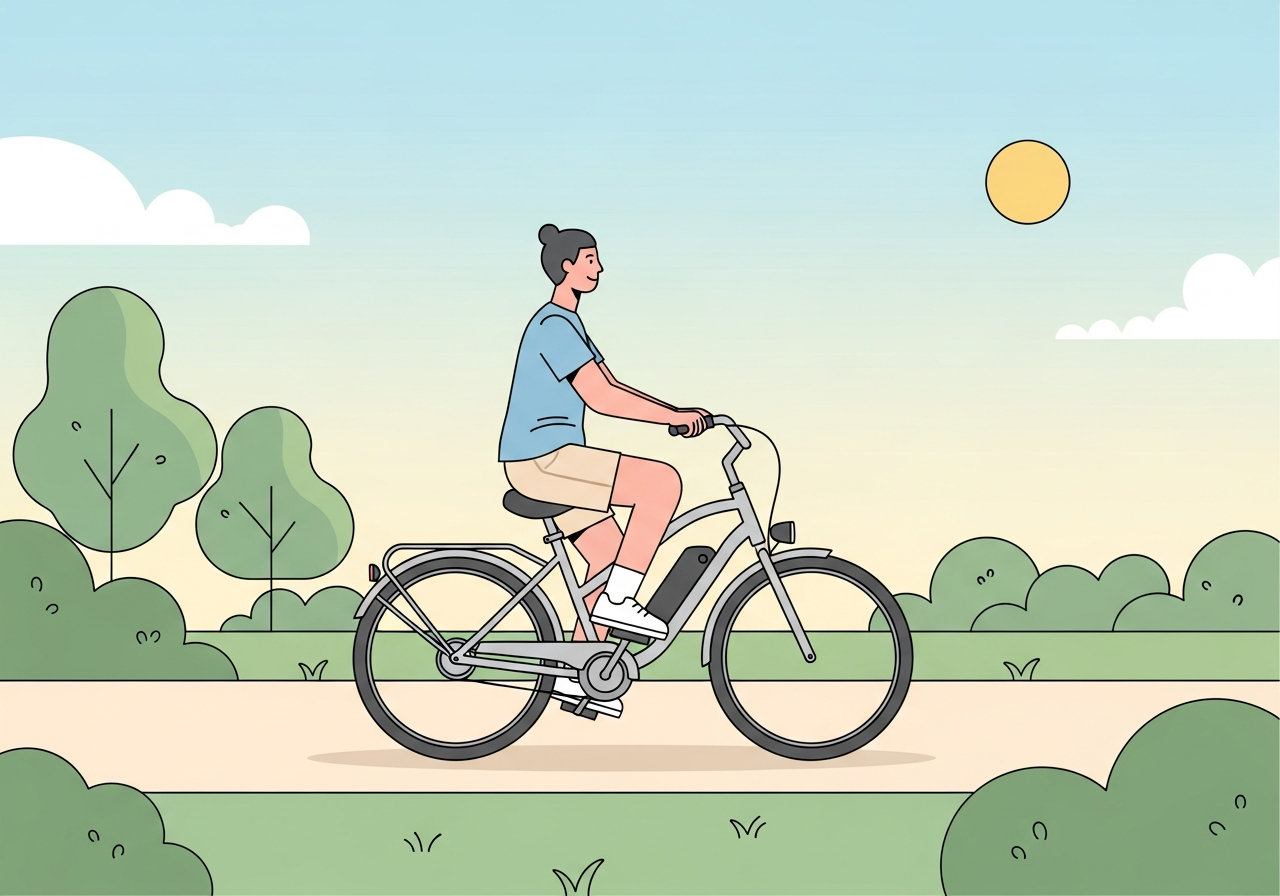
You pedal, motor helps. Stops helping at 20 mph.
Pedal-assist only (no throttle). Motor cuts out at 20 mph. The most permissive class — broadly allowed wherever traditional bicycles are allowed.
Learn more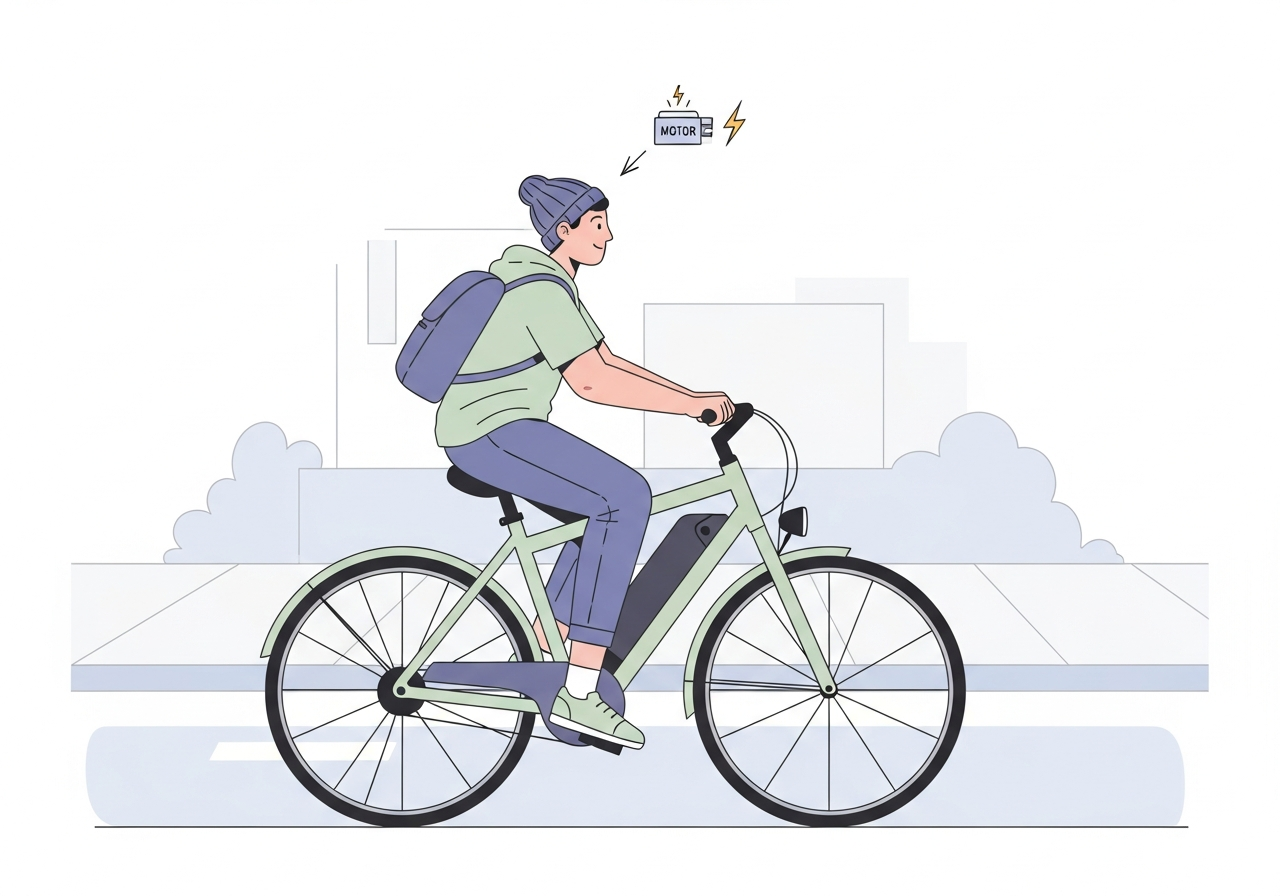
Throttle like a scooter. Also stops at 20 mph.
Throttle-assist + pedal-assist. Motor cuts out at 20 mph. Often restricted on natural-surface and singletrack trails.
Learn more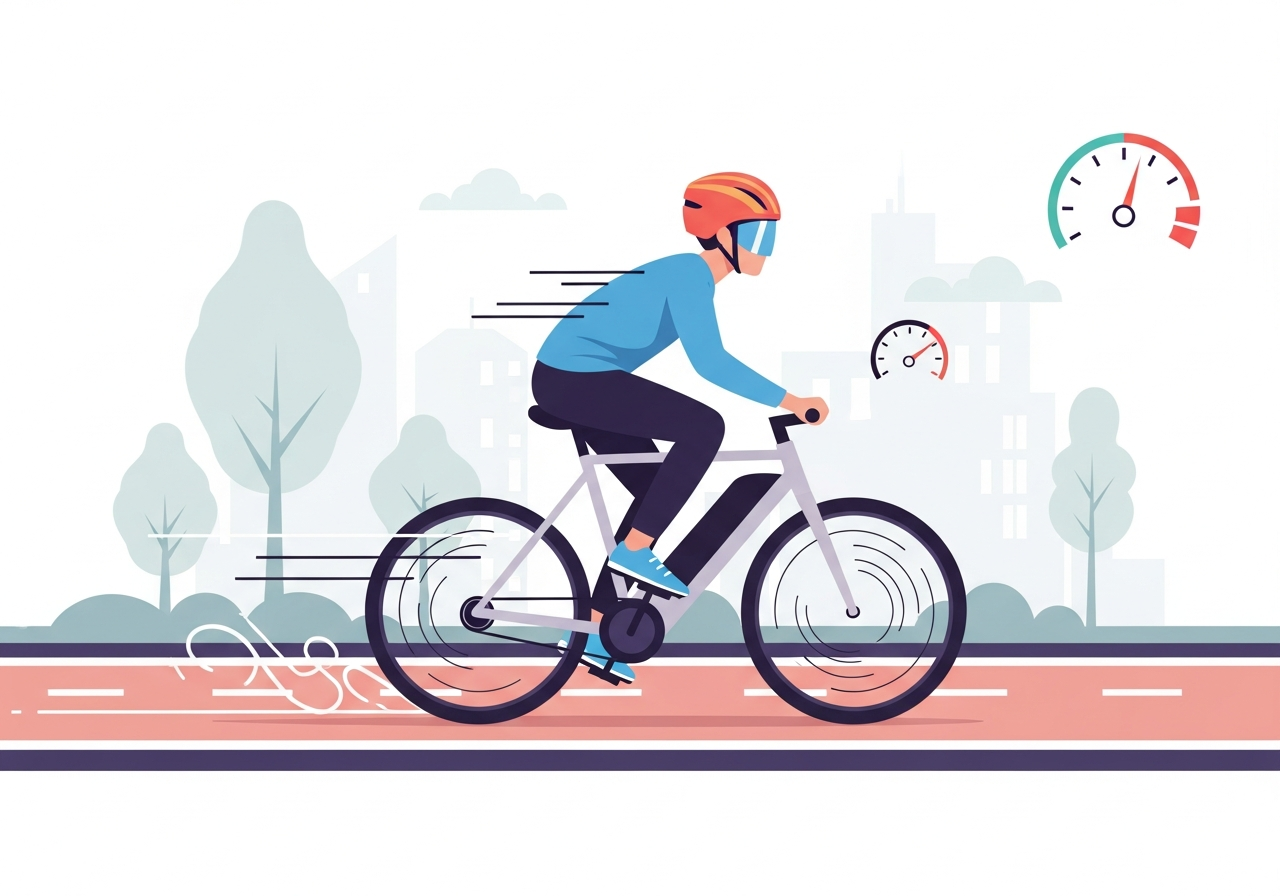
Pedal-assist only, but faster — up to 28 mph.
Pedal-assist only, with motor cutout at 28 mph (some states 25). Usually carries the most additional restrictions — minimum age, helmet, no multi-use paths.
Learn moreFederally, an e-bike is a bicycle under CPSC 16 CFR Part 1512 if it has fully operable pedals, an electric motor under 750W, and a top motor-assisted speed under 20 mph. Anything outside those bounds may legally be a motor vehicle under federal law, regardless of how a state classifies it. For questions or legal advice, visit EBikeSafety.com.
Local rules can override
What the state framework doesn't tell you.
Within New York, cities, counties, parks, school districts, university campuses, and trail systems frequently impose their own e-bike rules — and those rules win when they're stricter than the state framework. Beach cities, college towns, dense downtowns, and popular trail networks are the most common places to find local additions.
Before you ride somewhere new, check: the city or county code, the park or trail authority's posted signage, and (if it's a State Park, National Park, National Forest, or BLM land) the relevant federal land-management rules.
Hurt in New York?
An e-bike specialist attorney in your state matters.
New York-specific rules — class definitions, helmet defenses, comparative-fault arithmetic — drive case outcomes. We route to attorneys who actually know the local code.
Now the fun part — Welcome to New York
Popular e-bikes for New York riders.
NYC bike lanes, Hudson Valley gravel, and the country's most aggressive battery-safety law (UL 2849 by 2027).
Terrain: Dense urban grids, Greenway corridors, and serious Hudson Valley climbing.

Commuter · Class 3
Specialized
Turbo Vado 4.0
$3,500
View
Cargo · Class 1
Tern
GSD S10 (Gen 3)
$7,999
View
Commuter · Class 3
Trek
Allant+ 7
$4,200
View
Commuter · Class 3
Aventon
Level.2
$1,999
ViewPicks chosen for New York's typical terrain and rider mix. Always confirm a bike's class (1/2/3) is legal where you intend to ride — see the rules above.