E-Bike Basics
The 3 e-bike classes, explained simply.
Every e-bike sold in the US falls into one of three classes. The class decides where you can ride it, how fast it will go, and what rules apply. Here's the plain-English version with pictures.
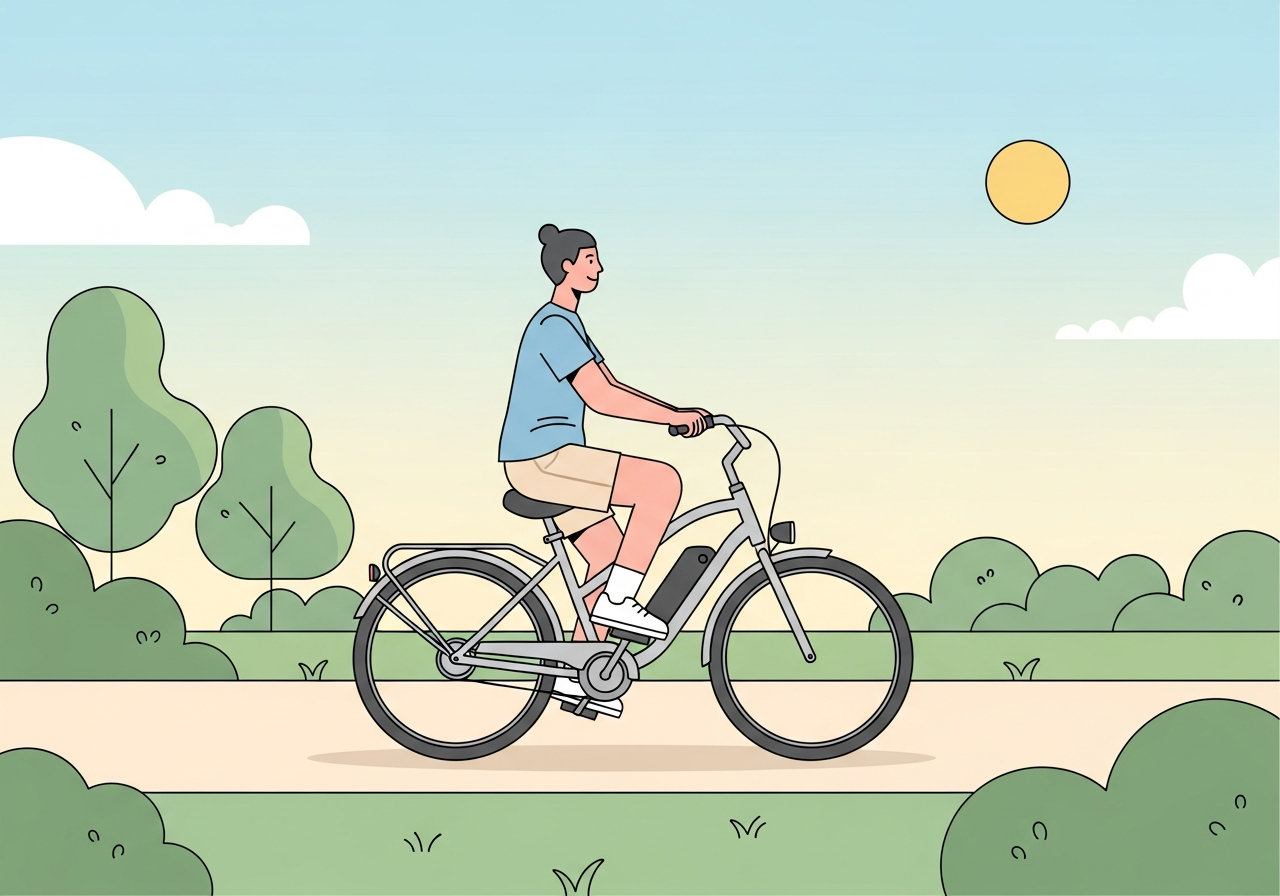
Class 1 — Pedal-Assist
You pedal. The motor helps. The motor stops helping at 20 mph.
Top assisted speed
Motor cuts out at 20 mph
Throttle
No throttle — you must pedal
How it actually works
- You sit on the bike like a normal bike.
- You start pedaling.
- The motor quietly helps you. It feels like the wind is pushing you.
- If you stop pedaling, the motor stops.
- When you hit 20 mph, the motor stops helping (you can still pedal faster on your own).
Good for
- • Everyday riding on paths and trails
- • Hills you couldn't do on a regular bike
- • Places that allow bicycles — Class 1 is the most welcomed e-bike class
Watch out
- • No throttle, so if you want to coast up a hill without pedaling at all, this isn't it
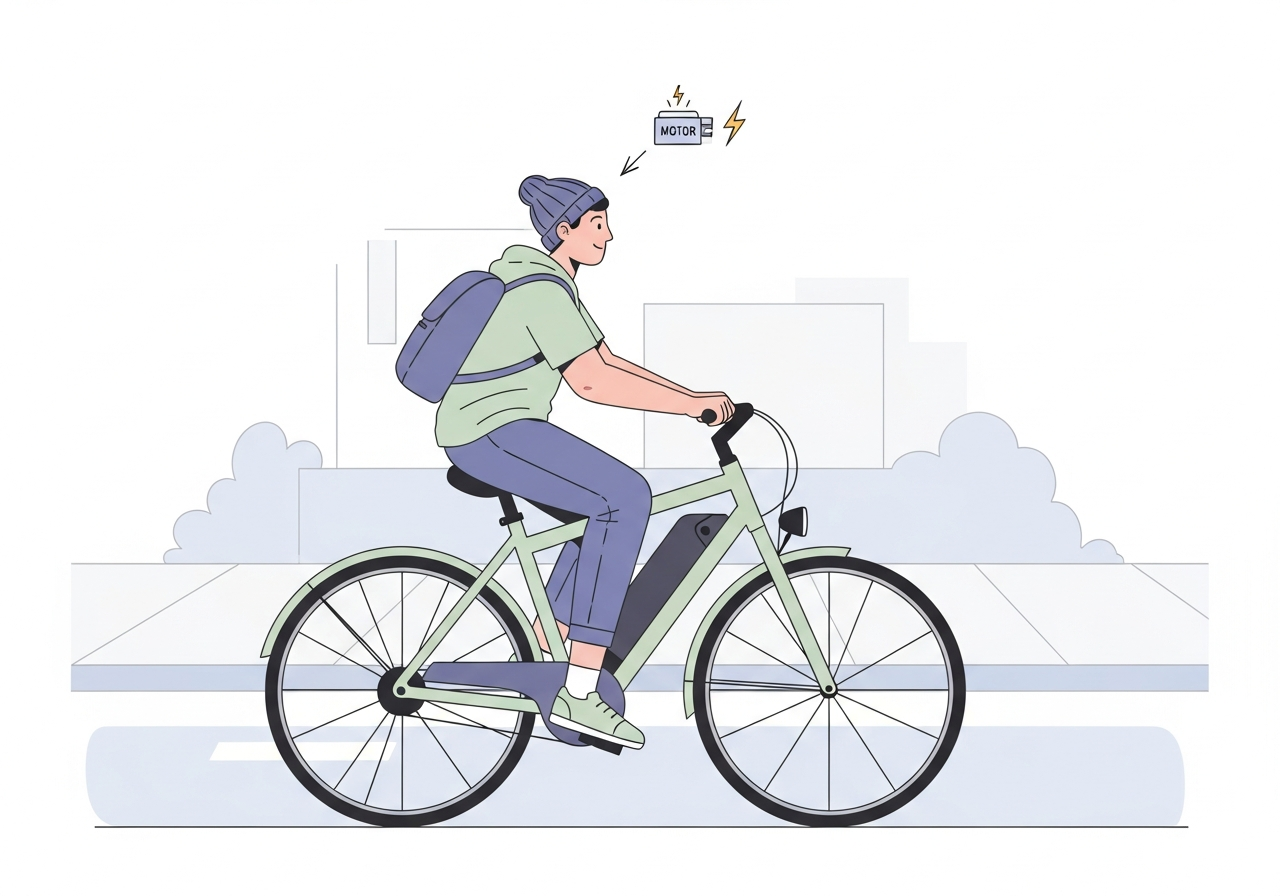
Class 2 — Throttle Assist
Same 20 mph cap, but you can also use a throttle (like a scooter).
Top assisted speed
Motor cuts out at 20 mph
Throttle
Yes — twist or press a throttle, no pedaling required
How it actually works
- Just like Class 1, but with a throttle on the handlebar.
- Press the throttle and the bike goes — no pedaling needed.
- Or pedal normally and let the motor help, just like Class 1.
- Motor still stops helping at 20 mph.
Good for
- • Riders who want to rest their legs
- • Stop-and-go city traffic
- • Older riders or anyone with knee/joint issues
Watch out
- • Many natural-surface trails and singletrack ban Class 2
- • Some bike paths only allow pedal-assist (Class 1) — check signs
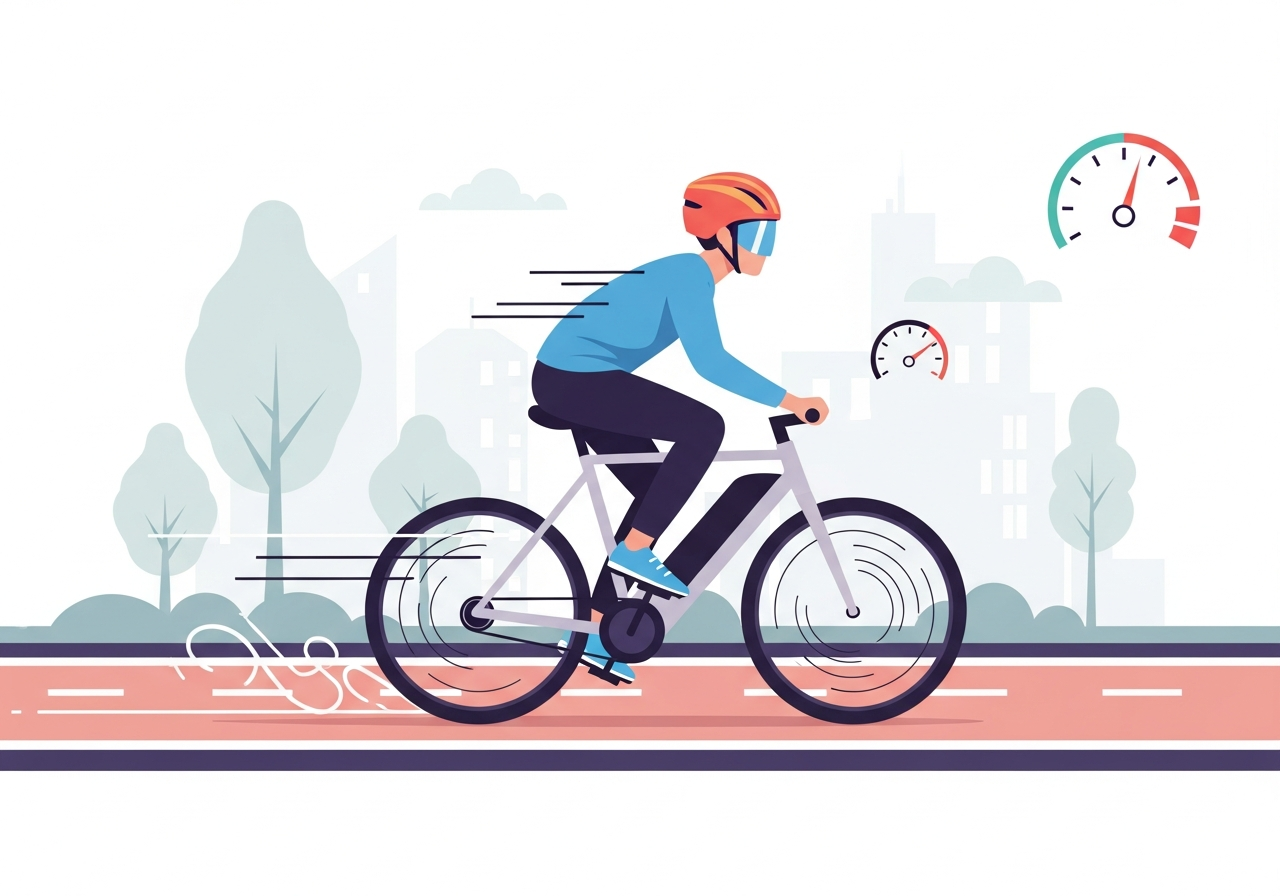
Class 3 — Speed Pedal-Assist
Pedal-assist only, but the motor keeps helping all the way to 28 mph.
Top assisted speed
Motor cuts out at 28 mph (25 mph in some states)
Throttle
Usually no throttle (varies by state)
How it actually works
- Like Class 1, but faster.
- You pedal, the motor helps, but it keeps helping until you hit 28 mph.
- Most states require you to be at least 16 to ride one.
- Most states require a helmet.
- Often not allowed on multi-use paths — check before you ride.
Good for
- • Real commuting where you want to keep up with traffic
- • Longer rides where pavement speed matters
Watch out
- • Minimum age (usually 16) — check your state's rules
- • Helmet usually required
- • Often banned on bike paths and trails — it's a road bike
The federal definition (in plain English)
The US federal government says an e-bike is a "low-speed electric bicycle" if it has working pedals, the motor is under 750 watts (about 1 horsepower), and the motor stops helping at 20 mph when you're using only the motor. Anything outside those limits — bigger motor, faster top speed on motor alone — may legally be a motor vehicle, no matter what the seller calls it.
Questions or legal help?
Class confusion isn't your fault — but it can cost you.
If you're confused about what class your bike is, whether it's legal where you ride, or you've been in an accident or fire — talk to a real e-bike attorney. We route every legal question to EBikeSafety.com.