E-Bike Battery Safety Bill 2026: Senate Passes Lithium-Ion Standards Act, Sending It to the President
Our e-bike battery safety bill 2026 explainer: what the Setting Consumer Standards for Lithium-Ion Batteries Act would require, where the CPSC's proposed rule stands, and what to check now.

Helmeted riders on e-bikes, shown for illustration. Image: Magnum Bikes
This e-bike battery safety bill 2026 explainer covers the Setting Consumer Standards for Lithium-Ion Batteries Act (H.R. 973), which the U.S. Senate passed by unanimous consent on Thursday, November 19, 2026. The House passed it in April 2025, so the bill now goes to the President. Here is what it would require, where the Consumer Product Safety Commission's own proposed rule stands, and what you can check on your e-bike today.
What Congress passed
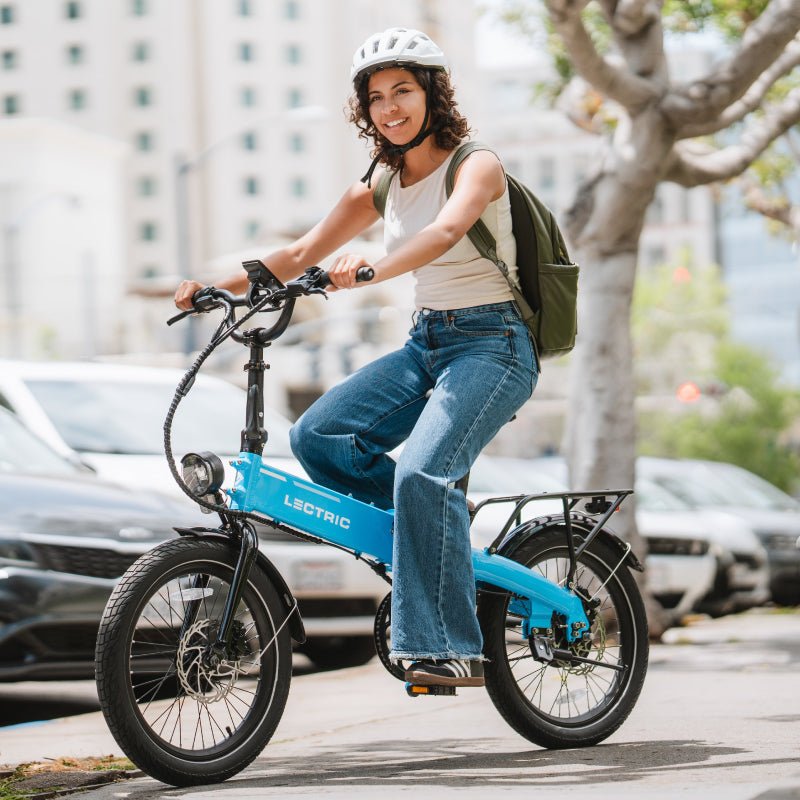
A helmeted commuter on an e-bike, shown for illustration. Image: Lectric eBikes
The Senate floor log for November 19 records that Senator Kirsten Gillibrand won unanimous consent to pass H.R. 973. The bill was led in the House by Representative Ritchie Torres of New York, and his office says it passed the House by a 365-42 vote in April 2025. Senators Marsha Blackburn, Deb Fischer and Chuck Schumer were original cosponsors of the Senate companion bill. The sponsors have urged the President to sign it; as of the morning of November 22, we had not seen a report that it had been signed. Sources: U.S. Senate Daily Press (https://www.dailypress.senate.gov/thursday-november-19-2026/) and Office of Rep. Ritchie Torres (https://ritchietorres.house.gov/posts/u-s-senate-unanimously-passes-rep-ritchie-torres-bipartisan-lithium-ion-battery-safety-bill).
What the bill would require

Helmeted riders on e-bikes. Photo: Team EVELO, Pexels
According to Representative Torres's office, the bill would require the Consumer Product Safety Commission (CPSC) to adopt safety standards for the rechargeable lithium-ion batteries and electrical systems used in e-bikes, e-scooters and other micromobility devices. It also provides for future updates to those standards, and it requires the CPSC to report to Congress on related fires, explosions and other hazards. Today, the main e-bike electrical standard, UL 2849, is voluntary. Learn more.
Where the CPSC's proposed rule stands
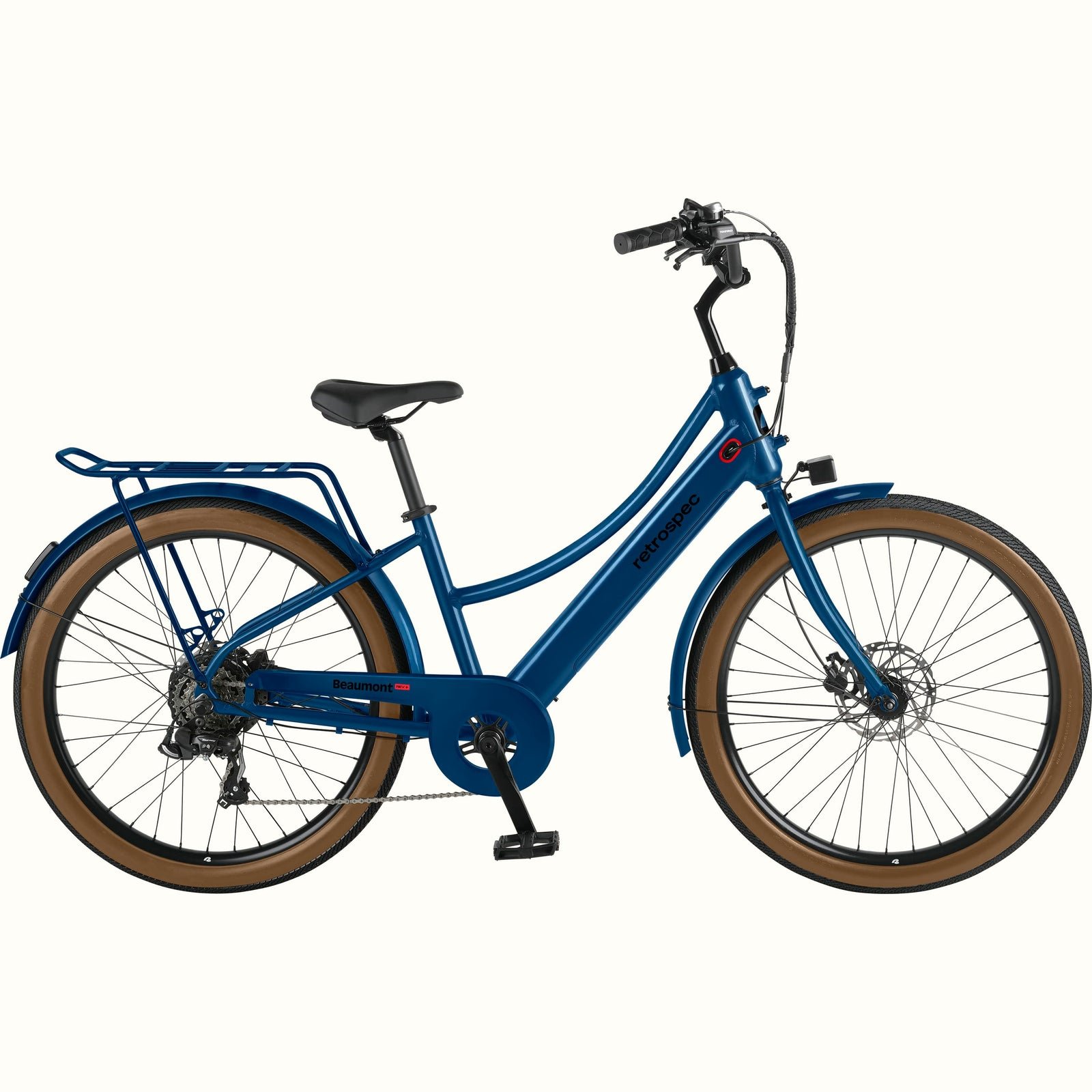
A city e-bike, shown for illustration. Image: Retrospec
The CPSC is already working on a rule of its own. On June 24, 2026, it published a proposed safety standard for lithium-ion batteries used in micromobility products, and comments closed on August 24, 2026. The proposal builds on three voluntary standards, UL 2849 for e-bike electrical systems, UL 2271 for the batteries and UL 2272 for e-scooters and similar devices, and adds requirements of its own, including a reverse polarity test meant to protect a battery pack when it is used with an incompatible charger, and stronger warning labels. The CPSC found that the voluntary standards' performance requirements alone did not address every hazard it identified. The rule is still a proposal. Source: Federal Register (https://www.federalregister.gov/documents/2026/06/24/2026-12749/safety-standard-for-lithium-ion-batteries-used-in-micromobility-products-and-electrical-systems-of).
Why lawmakers say it is needed

A helmeted e-bike rider on a trail. Photo: Team EVELO, Pexels
Representative Torres's office says Senator Gillibrand cited a 2026 CPSC report that identified 367 micromobility battery-related fires and 45 deaths nationwide between 2017 and 2024, along with Fire Department of the City of New York figures showing 362 fires and five deaths in New York City in 2026 involving e-bikes, e-scooters and similar devices. The office also pointed to an October 28 apartment fire at Patterson Houses in the Bronx that it says was sparked by an e-bike battery and claimed four lives. Fire service groups, including the International Association of Fire Chiefs, backed the bill. Source: International Association of Fire Chiefs (https://www.iafc.org/news/congress-passes-legislation-to-make-micromobility-devices-fire-safe/). Learn more.
What you can check now
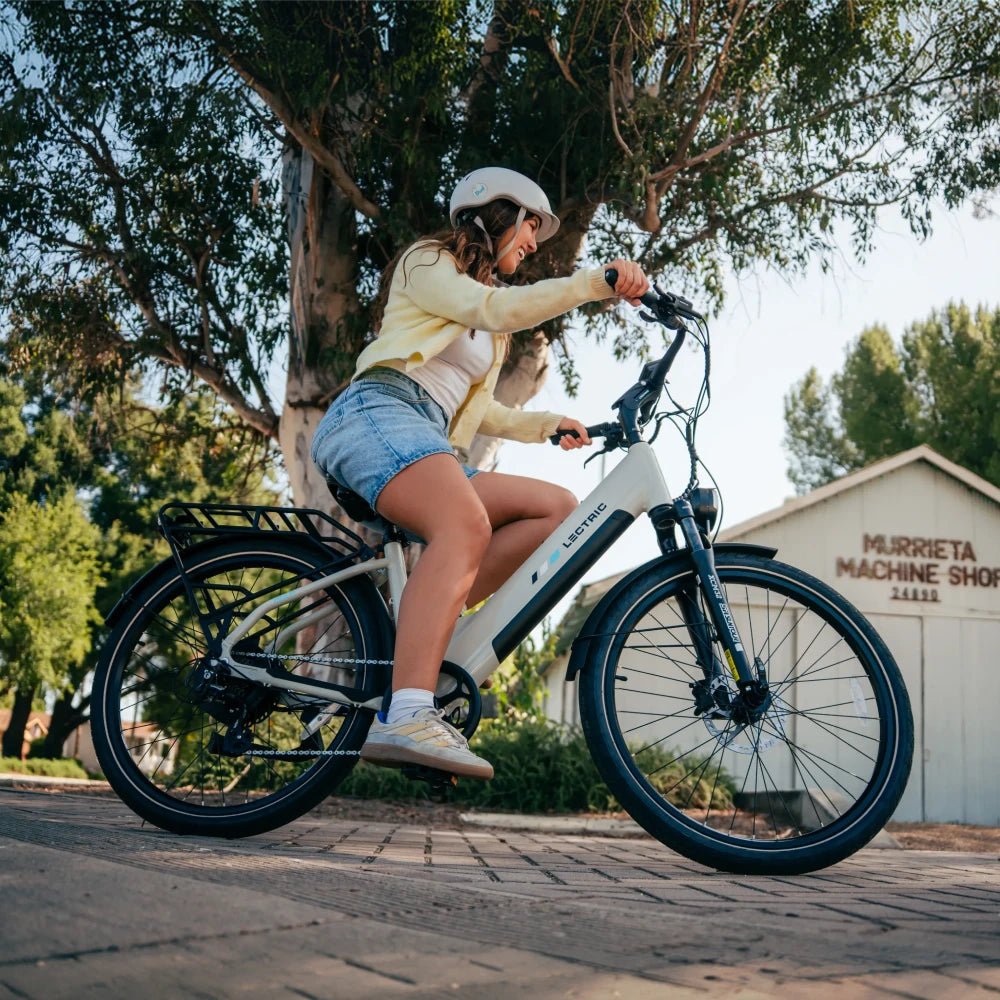
A helmeted rider on a step-through e-bike, shown for illustration. Image: Lectric eBikes
A federal standard would take time to write and take effect, so the checks that matter today are the ones you can do yourself. Before you buy, look for a UL 2849 certification for the e-bike's electrical system, which is the standard the CPSC proposal builds on. Use the charger made for your battery, since the CPSC proposal names incompatible chargers as one hazard. And charge and store the battery away from doorways and exits. Our battery fire guide covers charging, storage and recalls in more detail. Learn more. Cities are also writing their own e-bike rules; see our November 21 post on Santa Ana.
Quick answers
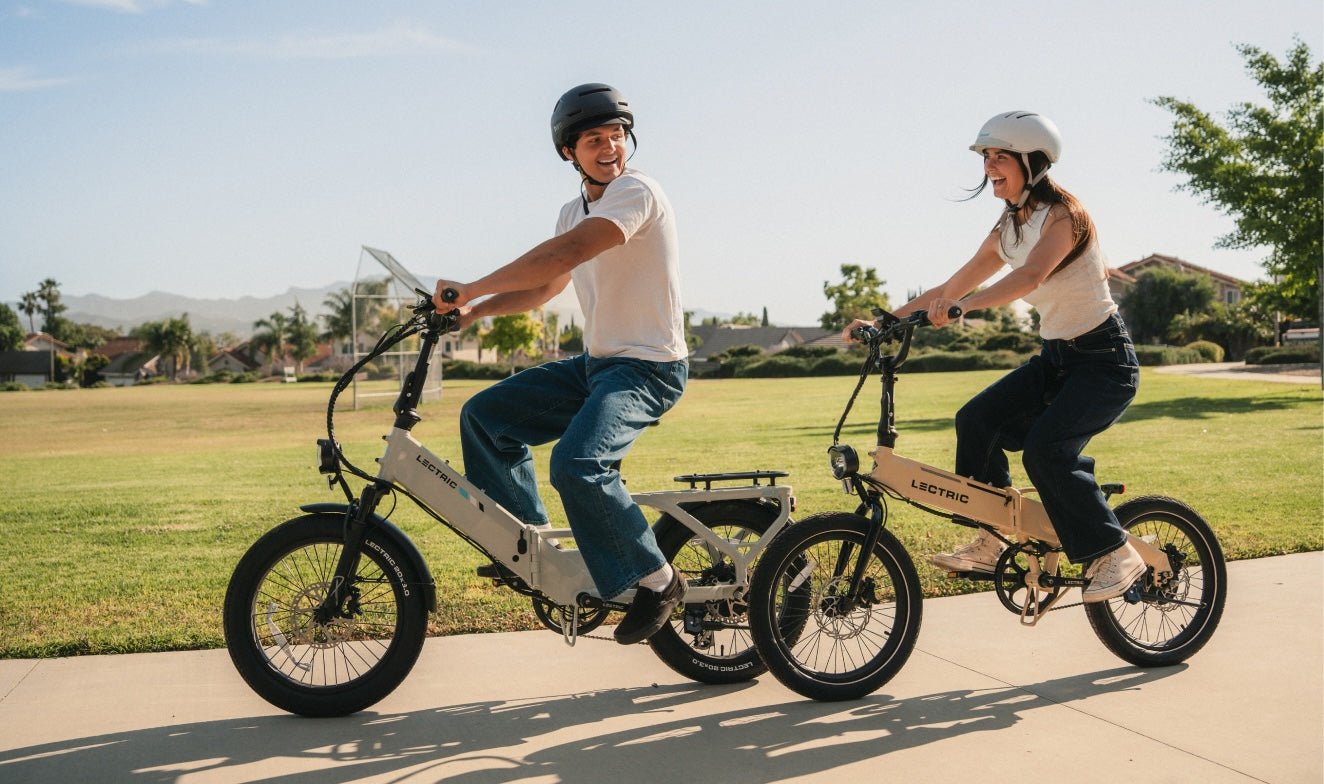
Two helmeted riders on fat-tire e-bikes, shown for illustration. Image: Lectric eBikes
Q: What is the e-bike battery safety bill? A: H.R. 973, the Setting Consumer Standards for Lithium-Ion Batteries Act. It would require the Consumer Product Safety Commission to adopt safety standards for lithium-ion batteries and electrical systems in e-bikes, e-scooters and similar devices.
Q: Has it become law? A: The House passed it in April 2025 and the Senate passed it on November 19, 2026, which sends it to the President. As of the morning of November 22, we had not seen a report that it had been signed.
Q: Does the CPSC already have a rule for e-bike batteries? A: Not a final one. The CPSC proposed a safety standard on June 24, 2026, building on UL 2849, UL 2271 and UL 2272. It is still a proposal.
This is general information, not legal or safety advice. Follow your e-bike maker's charging instructions.
Page link: https://www.electricbikes.com/blog/e-bike-battery-safety-bill-2026-senate-passes-lithium-ion-standards-act
Share this post


Ride smart
The safety essentials, in one place.
Helmet safety
Which certifications actually protect you at e-bike speeds.
Read moreBattery fire safety
UL certification, charging habits, and current recalls.
Read moreCrash & injury data
What the numbers say — and what to do if you're hurt.
Read moreSafety statistics
Sourced figures on injuries, fires, and recalls to cite.
Read moreE-bike laws by state
Class rules, age limits, and where you're allowed to ride.
Read moreInjured? Your options
How e-bike injury claims work and where to get help.
Read more